
The summer slide is a real thing, but I’ve never felt that drill‑and‑kill worksheets are the best way to help students hold onto their skills. They have their place, and in moderation, they can be useful, especially when you’re trying to spot gaps. But they’re not the only option, and definitely not the most enjoyable one.
How Our Family Uses Summer Math Games to Stay Sharp
One of my favorite ways to keep basic math skills sharp over the summer is simply by playing games. When I visit family, we always end up around a table with cards, dice, or a board game, which works out perfectly because they love games just as much as I do.
Some of our regular favorites are Skip‑Bo, Rummikub, Uno, Dutch Blitz, and cribbage. With a regular deck of cards, we’ve played Go Fish, Old Maid, and all kinds of Math War games for addition or multiplication. Not every game is math‑focused, of course. Trekking the National Parks, Blokus, and the Oregon Trail Card Game are also big hits. My sister and her family have introduced me to so many new games over the years that I’ve lost count.


A New Favorite: Bank — A Fast, Fun Math Game
My nieces and nephews came over the other night. After dinner, my dad introduced us to a new game called Bank. The game only needed two dice and the app. You could use paper and pencil instead if you didn’t have a phone. It was quick, fun, and surprisingly good for practicing fast addition up to twelve, along with some reasoning and decision‑making.
How to Play Bank (A Simple Summer Math Game)
The game has ten rounds. The first three rolls are “safe,” and if you roll a seven during those rolls, you actually gain seventy points. Everything else is just added normally. Starting with the fourth roll, seven becomes the number you want to avoid because it ends the round and drops your score to zero. From that point on, doubles also change value and count as double the number instead of being added. At any time, any player can call “bank” to lock in their points. Once you bank, you’re out for the round, but your points are protected. The round ends when everyone has banked or someone rolls a seven. Anyone who didn’t bank in time loses their points. Scores build from round to round, which adds a fun layer of strategy.
My favorite round climbed all the way to 2,350 points. I had banked in the four hundreds, and a few others had banked between four hundred and a thousand. My niece was in second place and knew that if she could reach 2,410 points, she could take the lead. She hesitated, thought about banking, and then decided to go for it since it was the tenth round and her last chance. Her next roll was the dreaded seven, and she ended up with zero points. We all groaned. We played several games, and it was so fun watching everyone’s personalities and risk tolerance come out around the table.
Simple Summer Math Games You Can Play With Cards or Dice
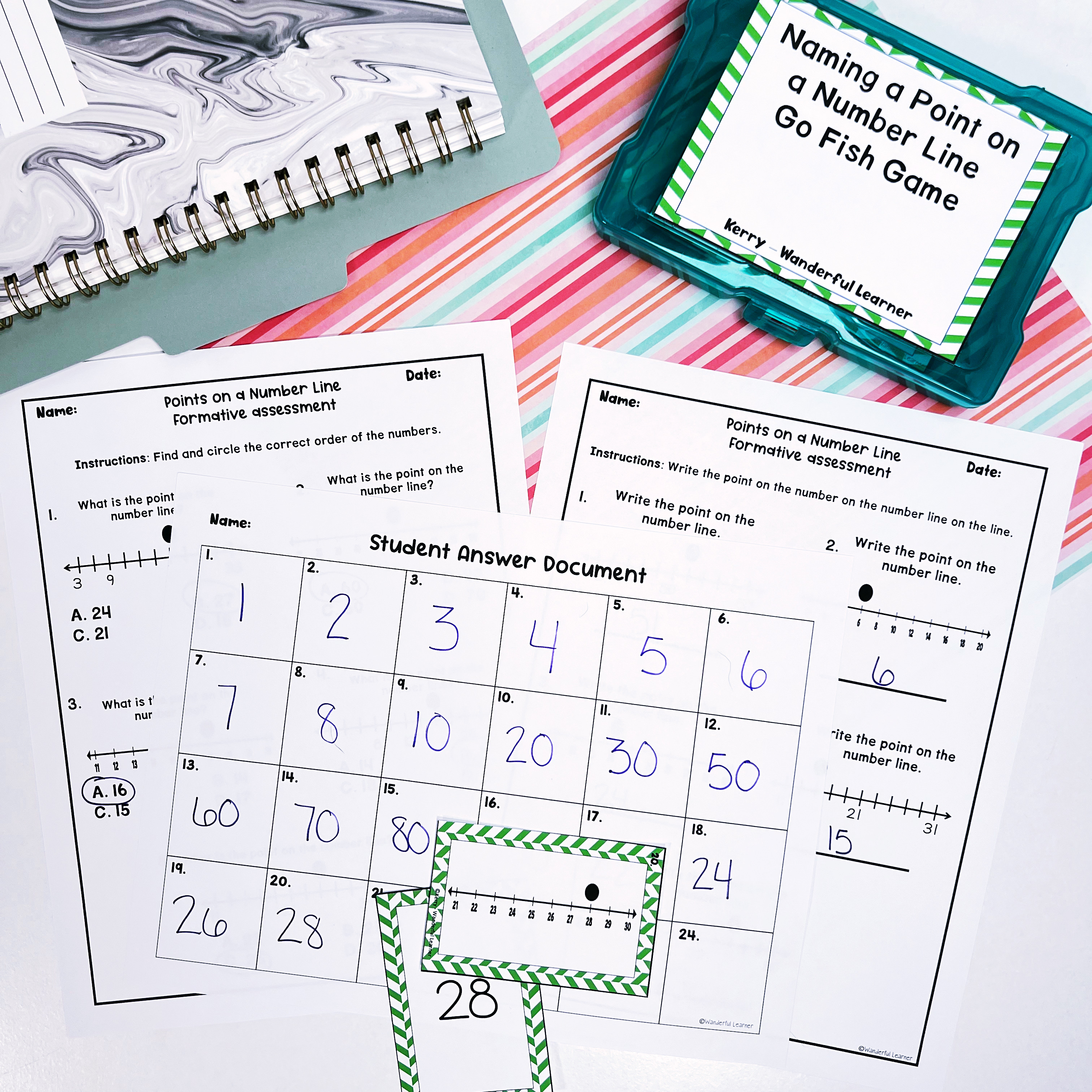
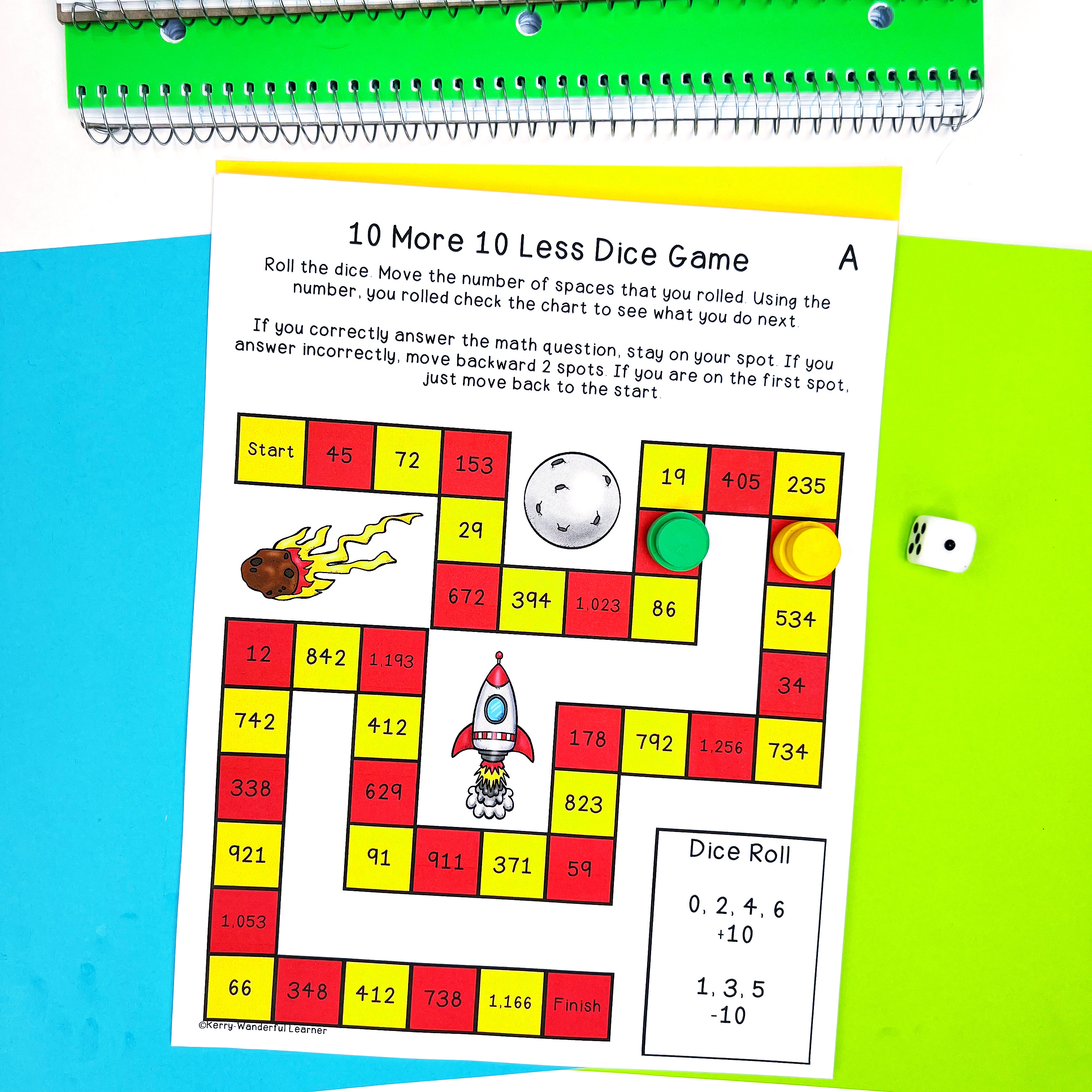
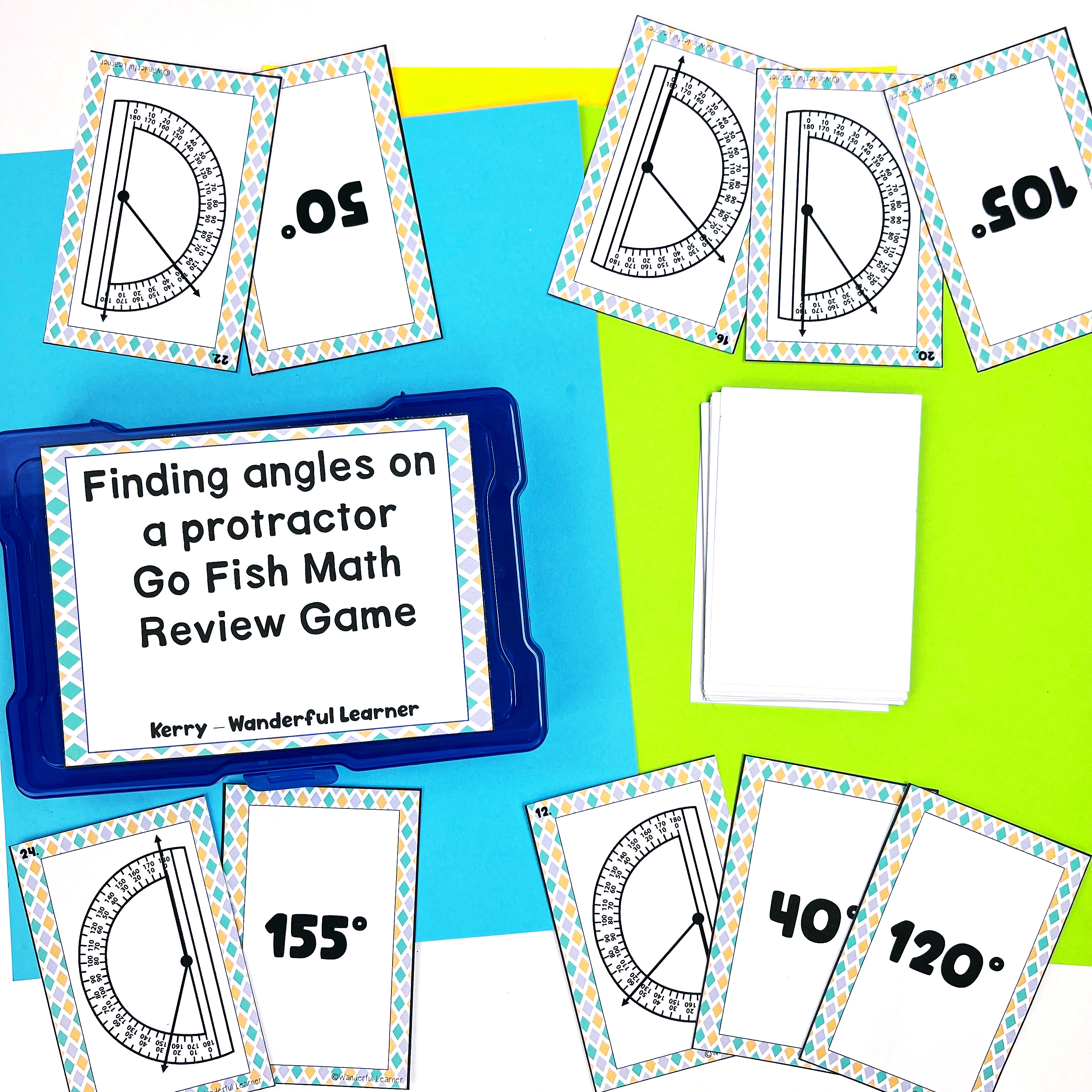
There are so many ways to practice math with nothing more than dice or a deck of cards. Some skills, like fractions or angles, are harder to find in store‑bought games, so I created my own. They work as a refresher, extra practice, or a gentle introduction for younger players who need low‑stress learning.
Make Summer Math Games Part of Your Routine
Some of the games people have shared that they enjoy include identifying points on a number line, comparing and ordering numbers, practicing ten more and ten less (and one hundred more and one hundred less), and measuring angles with a protractor.

Whether you spend the summer playing classic games, trying something new like Bank, or practicing specific math skills with targeted games, I hope you find ways to make math fun and help slow the summer slide at the same time.
If you’d like to read more about card games and how to play them, you can check out this blog post: Math Card Games to Engage Learners.
Leave a Reply